

Your home’s exterior is sending you clear signals when it needs professional attention, and knowing the signs exterior needs deep cleaning can protect your property from costly structural damage. In the exterior cleaning industry, the formal term for this assessment is exterior surface contamination evaluation, which covers biological growth, oxidation, and grime accumulation across siding, roofing, driveways, and other outdoor surfaces. Mercerssoftwashpowerclean works with homeowners and property managers across Southern Ontario who often miss these early warning signs until the damage is already underway. This guide breaks down the top 10 outdoor surfaces cleaning signs so you can act before minor issues become major repairs.
1. Signs your exterior needs deep cleaning: green or black streaks on siding or roofing
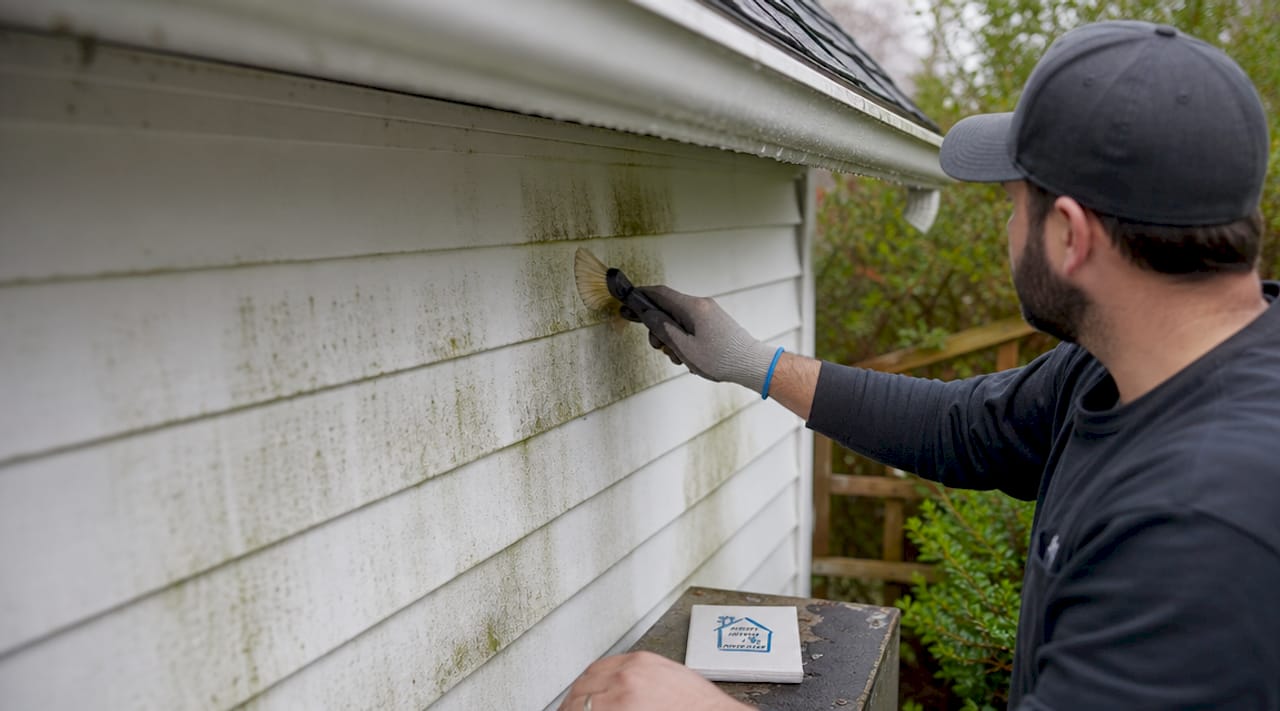
Green or black streaks on your siding or roof are the most immediate and reliable exterior cleaning indicators. These streaks are caused by algae, mold, or mildew colonies that feed on moisture trapped against your surfaces. Mold and algae streaks indicate accumulated biological growth that calls for professional cleaning, not a garden hose rinse. Left untreated, these organisms physically trap moisture against paint and siding materials, accelerating deterioration at a rate that surface wiping cannot reverse.
If you notice dark vertical lines running down your siding or a greenish film spreading across your roof shingles, that is biological contamination at work. Roof streaking in particular is caused by Gloeocapsa magma, a cyanobacteria that spreads rapidly in humid conditions. The streaks are not just cosmetic. They signal active biological growth that will continue to spread until treated with an appropriate biocidal solution such as Sodium Hypochlorite.
2. Stained or discoloured driveways and walkways
Concrete and interlock driveways develop dark patches, rust-coloured stains, and oil deposits over time, all of which are clear outdoor surfaces cleaning signs. These stains come from vehicle fluid leaks, iron oxidation in the concrete, tannin deposits from nearby trees, and organic matter decomposition. A driveway that looks uniformly grey when new will develop patchy discolouration within one to two seasons without regular maintenance.
Staining on horizontal surfaces is particularly problematic because water pools on these areas, allowing biological growth to take hold in the pores of the material. Interlock and stamped concrete are especially susceptible because their textured surfaces trap organic debris. Pressure washing alone may not be sufficient for deep-set staining. An acid wash or targeted degreaser application is often required to fully restore the surface.
3. Chalky residue on painted or vinyl surfaces
Run your finger along your siding or painted trim. If it comes away with a white, powdery residue, your surface is experiencing oxidation. This practical check, known in the industry as the “finger test”, helps homeowners identify hidden grime and surface degradation that is not always visible from a distance. Oxidation occurs when UV exposure breaks down the outer layer of paint or vinyl, leaving a chalky film that dulls the surface and weakens its protective coating.
Chalky surfaces are more porous and absorb moisture more readily, which accelerates further deterioration. This is one of the symptoms of dirty exterior surfaces that property owners frequently overlook because it does not look as dramatic as mold streaks or peeling paint. Catching oxidation early and removing it with a proper soft wash treatment preserves the integrity of the coating beneath.
4. Peeling, bubbling, or flaking paint
Peeling paint is a direct symptom of moisture intrusion beneath the surface coating. When biological growth or grime traps water against your siding, the paint bond weakens and begins to separate. Biological growth traps moisture that degrades paint and siding materials over time, meaning that what looks like a paint problem is often a contamination problem underneath.
Bubbling paint on wood siding is particularly serious because it indicates that water has already penetrated the wood fibres. If left unaddressed, this leads to wood rot, which requires replacement rather than cleaning. Addressing the biological contamination through deep cleaning before repainting is the correct sequence. Painting over contaminated or damp surfaces without cleaning first causes the new paint to fail within one to two seasons.
5. Persistent dull or dingy appearance despite surface cleaning
A property that looks perpetually dirty even after rain or a basic rinse is showing you that surface-level cleaning is not reaching the underlying contamination. Deep cleaning removes biological staining and films rather than just surface dirt, which is why a standard hose-down fails to restore the original appearance. Biofilm, which is a thin layer of microbial colonies embedded in a protective matrix, adheres to siding and masonry at a cellular level and cannot be dislodged by water pressure alone.
This persistent dullness is one of the most common exterior cleaning indicators that property managers report when they contact Mercerssoftwashpowerclean. The property looks aged and neglected even when it is structurally sound. Soft washing with a low-pressure application of Sodium Hypochlorite solution kills the biofilm at its source, restoring the original colour and brightness of the surface.
Pro Tip: Walk around your property on a dry, overcast day when glare is reduced. Overcast light reveals surface discolouration, streaking, and dullness far more clearly than direct sunlight, which can wash out subtle staining.
6. Mold or mildew growth on walls, fences, or decking
Mold and mildew on vertical surfaces such as fences and exterior walls, or on horizontal surfaces like decking, are among the most urgent signs that a property requires professional attention. Visible mold in shaded, high-moisture zones is the fastest and most reliable indicator of cleaning need. These areas include the north-facing side of your home, under eaves, around downspouts, and in corners where air circulation is poor.
Wood decking is particularly vulnerable because the grain structure absorbs moisture and organic debris, creating ideal conditions for mold colonisation. A deck that has not been cleaned in more than one season will typically show grey or black discolouration in the wood grain, along with a slippery surface texture caused by algae growth. This is both a maintenance concern and a safety hazard. Soft washing followed by a wood brightener treatment restores the natural wood tone and removes the slip risk.
7. Pest activity and organic debris accumulation
Wasp nests under eaves, spider webs across window frames, and accumulations of leaves, seed pods, or bird droppings in corners are all exterior cleaning indicators that point to neglected surfaces. Organic debris retains moisture and provides nutrients for biological growth, accelerating the contamination cycle. Bird droppings and pest activity are listed among the visible signs that call for professional cleaning initiation.
Bird droppings are particularly damaging because they are highly acidic. On painted surfaces, they etch into the coating within days if not removed. On metal fixtures, they accelerate corrosion. Gutters filled with organic debris create overflow conditions that direct water down the face of your siding, which is one of the primary causes of the streaking and staining described in earlier sections. Cleaning gutters as part of a full exterior wash removes this source of ongoing contamination.
8. Efflorescence on brick or masonry
Efflorescence is the white, crystalline deposit that appears on brick, concrete block, and stone surfaces when water moves through the masonry and carries soluble salts to the surface. It is one of the less commonly recognised outdoor surfaces cleaning signs, but it is a reliable indicator of moisture movement through your masonry. The deposits themselves are not structurally harmful in the short term, but they signal that water is penetrating your masonry, which can lead to spalling and freeze-thaw damage over time.
Removing efflorescence requires an acid wash treatment, typically using a diluted muriatic or phosphoric acid solution, followed by thorough rinsing. Standard pressure washing will remove the surface deposit temporarily, but without addressing the salt content in the masonry, the efflorescence returns. A professional cleaning service will assess whether the efflorescence is a surface issue or a sign of deeper moisture infiltration requiring further investigation.
9. How environmental and material factors influence when exterior cleaning is needed
Location and building materials are the two primary variables that determine how quickly your exterior accumulates contamination. Professional washing every 12 to 24 months is the standard interval, but properties in high-moisture or heavily shaded environments need more frequent attention. In Southern Ontario, properties surrounded by mature trees or located near bodies of water will show biological growth signs significantly faster than properties in open, sun-exposed settings.
Material type also matters considerably. Vinyl siding is relatively non-porous and sheds contamination more readily than wood or painted fibre cement. Brick and masonry are highly porous and absorb both moisture and organic material, making them priority surfaces for regular cleaning. Cleaning schedules must adjust for local environmental factors such as humidity, pollen levels, and heavy tree cover. Properties with significant shade on the north or east face should treat those elevations as priority zones, since shaded corners and eaves show early signs before widespread damage occurs.
10. When to schedule deep exterior cleaning: timing and triggers
Late spring and fall are the optimal cleaning periods for most properties in Southern Ontario. Spring cleaning removes the biological growth and grime that accumulated over winter, while fall cleaning prepares surfaces before freeze-thaw cycles begin. Scheduling around these two windows covers the majority of properties operating on a standard 12-month cycle.
Specific triggers should also prompt immediate scheduling regardless of the calendar. These include a property listing or sale, a rental turnover, a pre-inspection for insurance or financing, or the appearance of any of the signs described in this article. More than 12 months since the last wash is itself a strong trigger for scheduling professional cleaning, even if no visible signs are present yet. Delaying cleaning when signs are already visible converts minor cosmetic issues into costly structural repairs due to accelerated deterioration. For guidance on aligning your cleaning schedule with the seasons, the Mercerssoftwashpowerclean resource on seasonal exterior cleaning provides a practical framework for Southern Ontario conditions.
Pro Tip: Before listing a property for sale or rent, schedule a professional exterior wash at least two weeks in advance. This allows surfaces to fully dry and any remaining biological residue to clear before photography or viewings.
Routine surface cleaning vs. professional deep cleaning
| Feature | Routine surface cleaning | Professional deep cleaning |
|---|---|---|
| Target | Loose dirt and dust | Biofilm, algae, mold, oxidation, and staining |
| Method | Garden hose or basic pressure wash | Soft washing with Sodium Hypochlorite or targeted chemical treatments |
| Frequency | Monthly or as needed | Every 12 to 24 months |
| Outcome | Temporary visual improvement | Biological contamination eliminated at the source |
| Surface protection | Minimal | Preserves paint, siding, and masonry integrity |
Routine cleaning addresses what is sitting on the surface. Professional deep cleaning addresses what is living on and in the surface. Each cleaning indicator represents a distinct underlying issue, such as mold growth or oxidation, that requires a targeted cleaning method rather than a generic pressure wash. Soft washing, which uses low pressure combined with a biocidal cleaning solution, is the industry-standard method for treating biological contamination without damaging siding, roofing, or painted surfaces. For a detailed breakdown of this technique, the Mercerssoftwashpowerclean guide on soft washing for homeowners explains the process clearly.
Key takeaways
Recognising the signs exterior needs deep cleaning early is the single most effective way to protect your property’s surfaces from biological damage and costly repair.
| Point | Details |
|---|---|
| Biological growth is the primary indicator | Green or black streaks, mold, and mildew signal active contamination requiring professional treatment. |
| Timing matters for prevention | Schedule deep cleaning in late spring and fall, or immediately when visible signs appear. |
| Material and location affect frequency | Shaded, high-moisture properties and porous materials like brick need more frequent cleaning than vinyl in open settings. |
| Routine cleaning is not a substitute | Surface rinsing does not remove biofilm or oxidation. Professional soft washing eliminates contamination at its source. |
| Delaying increases repair costs | Ignoring discolouration and staining accelerates material degradation and turns cleaning costs into restoration costs. |
What I’ve learned from years of exterior cleaning assessments
From my experience working with properties across Southern Ontario, the signs that get ignored the longest are almost never the dramatic ones. Homeowners notice peeling paint. They call about it. What they consistently miss are the chalky residue on the north face of their siding, the faint green tint developing along the base of their fence line, and the slight darkening under their eaves that has been there for two seasons already.
Those subtle signs are where the real damage starts. By the time paint is peeling or wood is visibly grey and weathered, the contamination has been active for months, sometimes longer. The properties I see with the most expensive repair bills are not the ones that were never cleaned. They are the ones where cleaning was delayed by one or two seasons after the early signs appeared.
The preventive maintenance mindset is the most practical shift a property owner can make. Routine cleaning prevents costly repairs by catching wear before it becomes damage. Scheduling a professional wash before you see obvious deterioration is always less expensive than scheduling one after. I would also encourage property managers overseeing multiple units to treat exterior cleaning as a line item in the maintenance budget rather than a reactive expense. The benefits of regular exterior cleaning for property value and long-term surface integrity are well documented and consistently underestimated.
— Felix
Ready to address the signs? Mercerssoftwashpowerclean can help
If you have spotted any of the signs described in this article, from green streaks and staining to chalky siding and mold growth, Mercerssoftwashpowerclean provides professional soft washing and house power washing services for residential and commercial properties across Southern Ontario. The team specialises in treating biological contamination, oxidation, and surface staining using the correct methods for each material type, whether that is vinyl siding, brick, wood decking, or interlock. Waiting until damage is visible costs more than acting on early indicators. Contact Mercerssoftwashpowerclean to schedule a consultation and get an accurate assessment of what your property’s exterior actually needs.
FAQ
What are the most common signs your exterior needs cleaning?
The most common signs include green or black streaks on siding or roofing, stained driveways, peeling or chalky paint, persistent dullness, and visible mold or mildew growth. Any one of these indicators points to biological contamination or oxidation that requires professional treatment.
How often should you deep clean your home’s exterior?
Professional deep cleaning every 12 to 24 months is the standard recommendation, though properties in shaded or high-moisture environments may need cleaning more frequently. Late spring and fall are the optimal scheduling windows for most Southern Ontario properties.
Can you tell if exterior surfaces need cleaning without visible stains?
Yes. The finger test, which involves running your finger along siding to check for powdery residue, detects oxidation before it becomes visually obvious. A persistent dull appearance and a slippery texture on decking or walkways are also reliable indicators even without visible staining.
Is pressure washing enough to remove mold and algae from siding?
Pressure washing alone does not eliminate biological contamination at its source. Soft washing, which combines low pressure with a Sodium Hypochlorite solution, kills mold and algae colonies and prevents rapid regrowth. Pressure washing without a biocidal treatment typically results in the contamination returning within weeks.
Does delaying exterior cleaning cause structural damage?
Delaying cleaning when signs are already present accelerates material deterioration. Biological growth traps moisture against siding and paint, leading to wood rot, paint failure, and masonry damage that requires repair or replacement rather than cleaning.


