

Regular cleaning of apartment building exteriors is defined as the scheduled removal of biological growth, pollutants, and surface contaminants to protect structural integrity, maintain property value, and support tenant satisfaction. Property managers and landlords who treat exterior cleaning as a core maintenance function, rather than an occasional cosmetic task, consistently outperform those who defer it. Proactive exterior maintenance reduces maintenance costs by 25 to 30% and prevents up to 75% of structural failures. The difference between a building that holds its value and one that deteriorates quietly often comes down to what happens on the outside.
Why apartment building exteriors need cleaning: the core benefits
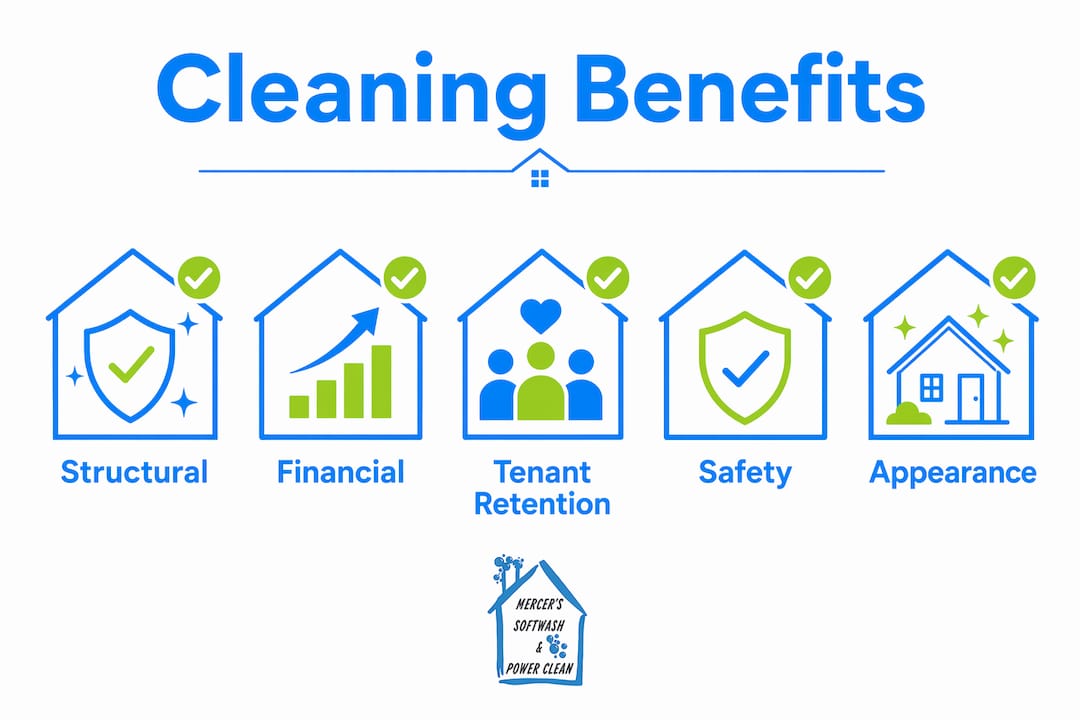
The most direct reason apartment building exteriors require regular cleaning is structural protection. Moisture is the primary enemy of any building envelope, and biological growth such as mould, algae, and moss actively traps moisture against siding, masonry, and sealants. Once moisture penetrates through cracked or degraded sealants, the repair costs escalate far beyond what a cleaning programme would have cost. Catching this early through routine cleaning is one of the most cost-effective decisions a property manager can make.
Beyond structural protection, the financial case for regular exterior cleaning is well documented. Professional exterior cleaning can increase perceived property value by up to 200%, which translates directly into stronger lease rates and better positioning during refinancing or sale. That figure reflects how dramatically curb appeal influences first impressions for prospective tenants and appraisers alike. A building that looks maintained signals that the interior is maintained too.
Tenant retention is another measurable benefit that property managers often underestimate. Visible exterior cleanliness strongly influences tenant renewal decisions and building reputation. When tenants feel proud of where they live, they stay longer, complain less, and refer others. The cost of a single tenant turnover, including vacancy loss, cleaning, and re-leasing fees, typically exceeds the annual cost of a professional exterior cleaning contract.
Safety is a less discussed but equally important benefit. Mould, algae, and dirt buildup contribute to safety hazards and failed inspections for apartment communities. Walkways, breezeways, and stairwells coated in biological growth become slip hazards that expose landlords to liability. Removing these hazards through regular cleaning is both a legal and ethical responsibility.
Pro Tip: Schedule a professional exterior inspection immediately after winter in Southern Ontario. Freeze-thaw cycles are particularly aggressive on sealants and masonry, and catching damage in spring prevents compounding deterioration through the warmer months.
What causes exterior dirt buildup on apartment buildings?
Understanding what causes exterior dirt buildup helps you prioritise where to focus cleaning efforts and how frequently. The primary contributors fall into three categories: environmental pollutants, biological growth, and drainage failures.
Environmental pollutants accumulate on every exposed surface. Vehicle emissions deposit a fine layer of carbon and particulate matter on facades, window frames, and soffits. Pollen, dust, and airborne debris bond to surfaces that are slightly damp or textured, which describes most exterior cladding materials. In urban and suburban areas across Southern Ontario, this layer builds up visibly within a single season and begins to degrade paint and coatings if left untreated.
Biological growth is the most structurally damaging category. Algae, mould, and moss colonise surfaces that retain moisture, including north-facing walls, shaded soffits, and areas near downspouts. These organisms produce acids as a byproduct of their growth cycle, which slowly etch into concrete, brick mortar, and painted surfaces. The discolouration they cause is often mistaken for simple dirt, but the underlying damage continues even when the surface looks stable.
Drainage failures accelerate deterioration faster than most property managers realise. Regular gutter cleaning prevents water backflow and foundation damage, yet clogged gutters remain one of the most commonly deferred maintenance items in multifamily properties. When gutters overflow, water runs down the facade, saturates the soil at the foundation, and creates the persistent moisture conditions that biological growth requires. One blocked downspout can compromise an entire wall section over a single wet season.
Weather exposure compounds all of the above. UV radiation breaks down paint binders and causes oxidation on metal components. Repeated freeze-thaw cycles in Canadian climates force water deeper into micro-cracks with each cycle. Exteriors not cleaned regularly degrade faster, leading to increased repair costs and lowered marketability. The relationship between neglect and accelerating deterioration is not linear. It compounds.
Soft washing vs. pressure washing: which method suits apartment exteriors?
The two primary methods used to clean apartment building exteriors are soft washing and pressure washing, and selecting the wrong one for a given surface causes damage that negates the cleaning benefit entirely. Choosing the right cleaning method for each material maximises lifespan and reduces the risk of surface damage.
| Surface type | Recommended method | Reason |
|---|---|---|
| Vinyl or wood siding | Soft washing | High pressure strips paint and forces water behind panels |
| Concrete walkways and parking areas | Pressure washing | Hard surface tolerates high pressure; removes embedded grime effectively |
| Roofing (asphalt shingles, flat membrane) | Soft washing | Pressure washing dislodges granules and voids warranties |
| Brick and mortar | Soft washing or low-pressure wash | Mortar joints are vulnerable to erosion under high pressure |
| Windows and frames | Low-pressure or hand wash | Seals and glazing compounds are easily damaged |
Soft washing uses a low-pressure delivery system combined with a cleaning solution, typically containing Sodium Hypochlorite, surfactants, and water, to kill biological growth at the root rather than simply blasting it off the surface. This matters because pressure washing alone leaves spores behind, and regrowth occurs within weeks. Soft washing eliminates the organism, which extends the time between cleaning cycles significantly.
Pressure washing remains the correct choice for hard, non-porous surfaces such as concrete driveways, interlock, and parking structures. These surfaces require the mechanical force of high-pressure water to dislodge compacted grime, oil stains, and embedded debris. Using soft washing on these surfaces would be ineffective, while using pressure washing on siding or roofing would cause damage.
Pro Tip: Never allow a contractor to pressure wash asphalt shingle roofing on your apartment building. The granule loss shortens shingle life by years and typically voids the manufacturer warranty. Soft washing with an appropriate biocide solution is the only safe method for this surface.
How often should building exteriors be cleaned?
The right cleaning frequency for an apartment building exterior depends on three variables: climate, building materials, and surrounding environment. In Southern Ontario, where freeze-thaw cycles, humid summers, and urban pollution all apply, most multifamily buildings benefit from a minimum of two full exterior cleanings per year. Routine cleaning schedules should include seasonal inspections and appropriate frequency depending on climate and building materials.
Spring cleaning addresses the damage and biological growth that accumulated over winter. This is the right time to inspect sealants, clean gutters, wash facades, and clear walkways of any moss or algae that developed in the wet, cold months. Autumn cleaning prepares the building for winter by removing summer’s biological growth before it gets sealed under ice and snow, where it continues to degrade surfaces without any opportunity for intervention.
Beyond the twice-yearly full clean, certain components require more frequent attention. Gutters in tree-lined areas may need clearing three or four times per year. Walkways and breezeways in high-traffic buildings accumulate slip-hazard growth faster than upper facades. Neglected alleys, breezeways, and stairs trigger frequent safety violations during inspections, which creates both liability exposure and regulatory risk for building owners.
Documentation is an underutilised tool in exterior maintenance planning. Exterior cleaning programmes integrated with digital inspection records improve maintenance planning and insurer confidence. When you photograph the building before and after each cleaning cycle and log the work in a maintenance management system, you create a paper trail that supports insurance claims, demonstrates due diligence to municipal inspectors, and provides data for forecasting future repair needs. This practice costs almost nothing to implement and pays dividends when disputes or inspections arise.
Deferred maintenance often starts with missed cleaning cycles leading to escalating repair costs and inspection failures. A single skipped cleaning season rarely causes catastrophic damage, but it sets a pattern. Two or three consecutive seasons of neglect typically result in repair bills that dwarf the cumulative cost of the cleaning that was deferred.
Key takeaways
Apartment building exteriors require regular professional cleaning to protect structure, preserve value, retain tenants, and avoid safety violations.
| Point | Details |
|---|---|
| Structural protection is the primary driver | Biological growth and moisture intrusion cause compounding damage that cleaning prevents at a fraction of the repair cost. |
| Proactive cleaning reduces costs significantly | Structured exterior maintenance reduces maintenance costs by 25 to 30% and prevents up to 75% of structural failures. |
| Method selection determines outcome | Soft washing suits siding, roofing, and brick; pressure washing suits concrete and hard surfaces. Using the wrong method causes damage. |
| Twice-yearly cleaning is the minimum standard | Spring and autumn cleanings address seasonal damage cycles in Southern Ontario’s climate. |
| Documentation multiplies the value of cleaning | Photographic records and maintenance logs support insurance claims, inspections, and long-term planning. |
What I’ve learned about exterior cleaning and property management
From working with property managers across Southern Ontario, the pattern I see most often is not ignorance of the problem. It is the assumption that exterior cleaning can wait until something looks visibly wrong. By the time a facade looks bad enough to prompt action, the biological growth has already been working on the substrate for months or years. The cleaning cost at that point is higher, and in many cases, cleaning alone is no longer sufficient. Repairs are now part of the equation.
The cost-benefit calculation for proactive exterior cleaning is not complicated. A professional soft wash and pressure wash programme for a mid-size apartment building in Southern Ontario costs a fraction of what a single moisture-related repair costs. I have seen property managers spend more on a single window frame replacement than they would have spent on two years of scheduled exterior cleaning. The maths are not close.
What I would tell any landlord or property manager reading this is to treat exterior cleaning the same way you treat fire alarm testing or HVAC servicing. It is not optional maintenance. It is scheduled, documented, and non-negotiable. The buildings that hold their value, pass their inspections, and retain their tenants are almost always the ones where someone made that decision early. You can read more about why exterior cleaning matters for properties of all sizes to see how this applies beyond multifamily buildings.
— Felix
How Mercerssoftwashpowerclean supports apartment building maintenance
Mercerssoftwashpowerclean provides professional exterior cleaning services for apartment buildings and commercial properties across Southern Ontario, specialising in soft washing, pressure washing, roof cleaning, gutter cleaning, and window cleaning. Their team works with property managers to build customised maintenance schedules that align with inspection timelines and seasonal conditions. Whether your building needs a full facade wash, a gutter cleaning service before winter, or a targeted treatment for biological growth on siding or roofing, Mercerssoftwashpowerclean brings the right equipment and method to the job. Explore their commercial cleaning services to find the right programme for your property.
FAQ
Why do apartment building exteriors need cleaning regularly?
Regular exterior cleaning removes biological growth, pollutants, and moisture-trapping debris that cause structural deterioration over time. Without it, mould, algae, and clogged drainage systems accelerate surface degradation and increase repair costs.
How often should an apartment building exterior be cleaned?
Most apartment buildings in Southern Ontario benefit from a minimum of two professional exterior cleanings per year, one in spring and one in autumn. High-traffic areas like walkways and gutters may require more frequent attention depending on the building’s surroundings.
What is the difference between soft washing and pressure washing for buildings?
Soft washing vs. pressure washing differs primarily in pressure and chemical application. Soft washing uses low pressure and biocidal solutions to kill biological growth on delicate surfaces, while pressure washing uses high-force water to remove grime from hard surfaces like concrete.
Does exterior cleaning increase property value?
Professional exterior cleaning can increase perceived property value by up to 200% by improving curb appeal and signalling active maintenance to prospective tenants and appraisers. Clean exteriors also support stronger lease rates and better outcomes during property sales or refinancing.
What happens if apartment building exteriors are not cleaned?
Neglected exteriors degrade faster, leading to higher repair costs, failed safety inspections, and reduced tenant retention. Deferred maintenance that begins with missed cleaning cycles typically escalates into structural repairs and regulatory violations within a few seasons.


