
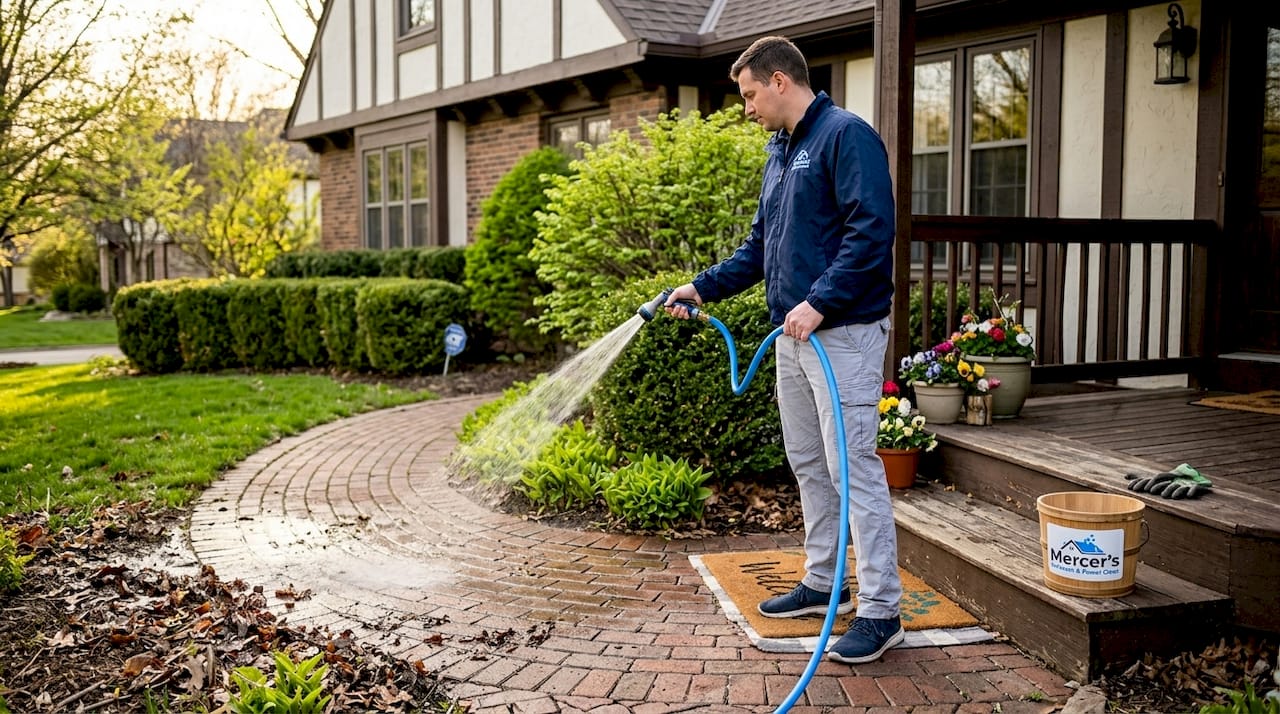
Most homeowners treat exterior cleaning as a cosmetic task, something you do when the driveway looks embarrassing or the siding has gone grey. But seasonal exterior cleaning explained properly tells a very different story. Regular cleaning of your home’s exterior surfaces is one of the most cost-effective forms of property maintenance you can do, preventing thousands of dollars in structural repairs that quietly accumulate behind layers of algae, grime, and organic buildup. This guide covers what exterior cleaning actually involves, what to do each season, which methods work best on which surfaces, and why your property’s long-term value depends on getting this right.
Key takeaways
| Point | Details |
|---|---|
| Cleaning prevents costly repairs | Exterior cleaning costs are a fraction of what you pay to replace rotted siding or a damaged roof. |
| Every season has a purpose | Each season brings specific cleaning tasks, and skipping one creates compounding problems for the next. |
| Method matters as much as frequency | Using the wrong cleaning technique on the wrong surface causes damage. Soft washing and pressure washing serve different purposes. |
| Gutters need twice-yearly attention | Clearing gutters at least twice a year prevents water damage to foundations and basement moisture issues. |
| Curb appeal affects resale value | Consistent seasonal maintenance improves buyer confidence and protects the market competitiveness of your property. |
Why seasonal exterior cleaning matters for property longevity
The industry term for what most people call “seasonal exterior cleaning” is exterior building maintenance, and it covers a broad range of tasks designed to remove biological growth, environmental deposits, and debris before they cause material breakdown. Understanding why this matters starts with understanding what your home’s exterior faces throughout the year.
Southern Ontario’s climate is particularly demanding. Freeze-thaw cycles in winter, heavy pollen in spring, UV exposure and humidity in summer, and falling debris in autumn all work together to degrade exterior surfaces. Moisture is the primary culprit. When organic matter such as algae, moss, mould, or decomposing leaves sits on a surface, it traps moisture against that material. Over time, this accelerates oxidation, causes wood rot, and degrades sealants and coatings.
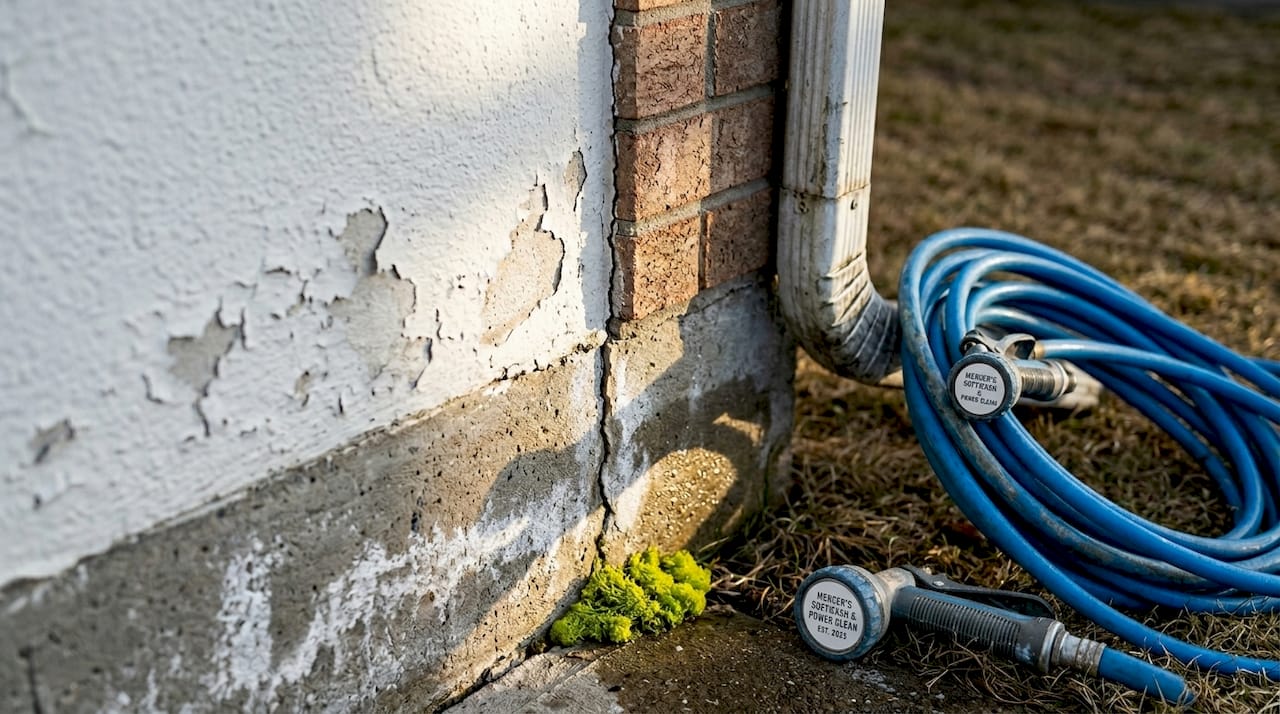
Organic buildup on roofing traps moisture, accelerating shingle curling and wear and leading to costly replacement. The same principle applies to siding, decking, interlock, and fencing. The surface may look merely dirty, but underneath that layer, material deterioration is already in progress.
The financial argument is straightforward. Cleaning mould off siding costs far less than replacing the rotted wood panels hidden beneath it. Staying on a regular cleaning schedule means you are spending a predictable, modest amount each year rather than absorbing large, unexpected repair bills every few years.
| Maintenance approach | Typical cost range | Outcome |
|---|---|---|
| Annual exterior cleaning | Low to moderate | Surfaces maintained, lifespan extended |
| Deferred cleaning (2+ years) | Repair costs, moderate to high | Surface damage, early material replacement |
| No cleaning for 5+ years | Replacement costs, very high | Structural damage, significant financial loss |
A seasonal cleaning timeline: what to do and when
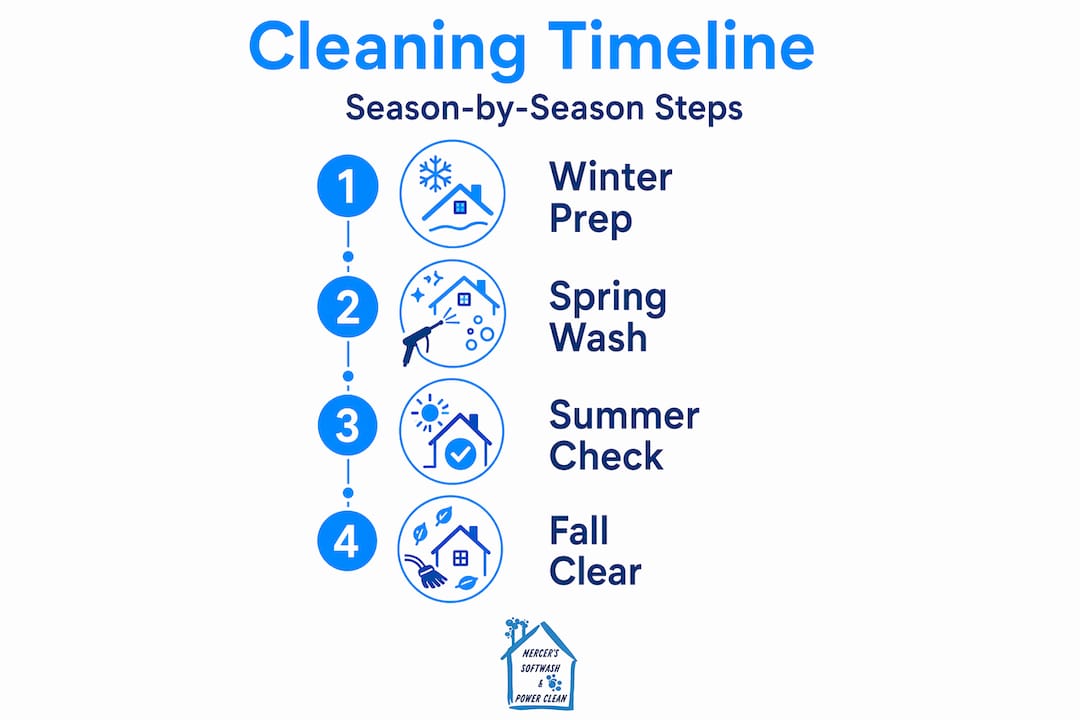
Thinking about exterior maintenance as a year-round discipline rather than a single annual event makes the work more manageable and far more effective. Here is a practical breakdown by season.
Spring is the most important season for exterior cleaning in Ontario. After months of ice, salt, and snow, your home’s surfaces have taken a beating. This is the time to:
- Walk the entire property and assess winter damage to siding, gutters, and roofing.
- Clear debris that has accumulated in gutters and downspouts over winter.
- Soft wash all siding surfaces to remove mould, algae, and road salt residue.
- Power wash walkways, driveways, and patios to lift staining and restore surface appearance.
- Inspect painted surfaces and exterior trim for peeling, cracking, or lifting caused by frost.
Summer is when biological growth accelerates. Warm temperatures and humidity create ideal conditions for algae and mould on north-facing siding and shaded roof sections. Monitor these areas through summer and schedule a soft wash treatment if green or black streaking appears. Siding should be washed annually, with more frequent attention in heavily shaded or moisture-prone areas.
Fall is your second critical window. Early fall is often the best time for exterior cleaning due to milder weather before rainy winter conditions set in. Key tasks include:
- Clear gutters and downspouts of leaves before heavy autumn rains arrive.
- Wash windows before reduced daylight makes interior lighting more important.
- Power wash decks and fences before winter moisture causes wood grain to open and absorb water.
- Inspect roof surface for moss or algae growth that will worsen under snow cover.
Winter exterior maintenance is limited but not nonexistent. Focus on keeping walkways and entryways clear of ice and debris. Avoid using rock salt directly against interlock or concrete surfaces where possible, as repeated salt application accelerates surface deterioration.
Soft washing vs. pressure washing: choosing the right method
Not all exterior surfaces respond the same way to cleaning, and choosing the wrong method can cause as much damage as no cleaning at all. The two primary professional techniques are soft washing and pressure washing, and they serve distinct purposes.
Soft washing uses low pressure combined with specialised cleaning solutions to remove mould, mildew, and algae without damaging painted or composite surfaces. The cleaning solution, typically a diluted Sodium Hypochlorite mixture, kills biological growth at the root rather than simply blasting it away. This is the appropriate method for vinyl siding, painted wood, stucco, roof shingles, and any surface where high pressure would cause cracking, lifting, or paint removal.
Pressure washing delivers high-pressure water to physically dislodge dirt, staining, and debris. It is the correct choice for hard, durable surfaces such as concrete driveways, interlock stone, brick walkways, and wooden decking that can withstand the force without damage.
| Surface type | Recommended method | Key reason |
|---|---|---|
| Vinyl or painted siding | Soft washing | High pressure lifts paint and cracks panels |
| Asphalt shingles | Soft washing | Pressure washing strips protective granules |
| Concrete driveways | Pressure washing | Hard surface tolerates and benefits from high pressure |
| Interlock stone | Pressure washing | Removes embedded staining between stones effectively |
| Wood decking | Pressure washing (low PSI) | Moderate pressure cleans without splintering grain |
Pro Tip: When hiring a professional, ask specifically which method they use for each surface type. A company that uses only pressure washing on everything, including roofing and painted siding, is a company that may cause damage in the process of cleaning.
For homeowners considering a DIY approach, soft washing chemicals require careful handling, correct dilution, and appropriate application equipment. Pressure washers rented from hardware stores are often higher PSI than what most surfaces actually need. Professional cleaning through a company like Mercerssoftwashpowerclean reduces this risk considerably, particularly for roofs and siding where mistakes are costly to correct.
Maintenance tips and common mistakes to avoid
Getting your home cleaned seasonally is only part of the equation. How you manage your exterior between professional visits determines how much protection that cleaning actually provides.
Gutters deserve particular attention. Clogged gutters cause water overflow near foundations, resulting in soil erosion and basement moisture problems. Clearing them at minimum twice per year, once in late spring after tree pollination and once in late fall after leaf drop, keeps water flowing away from your home’s foundation as intended. If you have mature trees overhanging your roofline, three clearings per year may be warranted.
Roof cleaning has its own schedule. Roofs should be cleaned every one to three years to prevent algae and moss damage leading to premature deterioration. The right interval for your roof depends on your surrounding vegetation and sun exposure. A heavily shaded roof in a wooded neighbourhood will accumulate biological growth much faster than an exposed roof in a cleared yard.
After any cleaning service, inspect your exterior paint and coatings. Cleaning removes the layer of grime that often conceals small paint failures, cracked caulking, or surface lifting. Catching these issues early and addressing them promptly prevents water infiltration and the more serious damage it causes.
One of the most common mistakes property owners make is using a garden hose with high attachment pressure directly on window frames, fascia boards, or painted trim. This forces water behind the surface rather than removing it, which accelerates wood rot and mould growth in areas you cannot see.
Pro Tip: Scheduling exterior cleaning in early spring rather than late spring means the work gets done before algae and mould enter their peak growth period. Addressing biological growth before it matures is considerably less labour-intensive and the results last longer.
How consistent cleaning protects your property’s value
The connection between regular exterior maintenance and property value is direct and measurable. Seasonal cleaning enhances curb appeal, improving buyer confidence and resale potential, while untreated surfaces stain and degrade over time, reducing a property’s market competitiveness.
For property managers overseeing rental units or commercial buildings, this extends beyond resale. Clean exteriors signal to tenants and clients that the property is well maintained, which supports tenant retention and professional reputation. A building with stained siding, black-streaked roofing, and clogged gutters communicates neglect even if the interior is in excellent condition.
The financial case is well documented in property maintenance practice. A home that has been consistently cleaned and maintained throughout ownership will require fewer pre-sale repairs, pass inspection with fewer concerns, and present more competitively against comparable properties. Budgeting for seasonal cleaning as a recurring line item, much like lawn care or snow removal, protects your investment rather than waiting until visible damage demands a reactive response.
“Preventing damage through routine cleaning is always less expensive than repairing it after the fact. Every year of neglect compounds the cost of bringing a property back to a healthy condition.”
Good veranda and deck maintenance follows the same principle. Cleaning and protecting outdoor surfaces seasonally extends their lifespan significantly compared to surfaces left to weather unattended year over year.
My perspective: why deferred cleaning costs more than people realise
I have seen the same pattern play out repeatedly. A homeowner notices their siding looks a bit grey or their driveway has some staining, and they make a mental note to deal with it “when things slow down.” A season passes, then two. By the time they call a professional, what would have been a standard soft wash has become a situation where surface damage is already progressing underneath the biological growth.
The frustrating part is that the early signs are always visible if you know what to look for. Dark streaking on siding is almost always algae or mould, not just dirt. Black patches on roof shingles are biological growth trapping moisture and beginning to break down the shingle granules beneath. These are not cosmetic issues pretending to be structural. They are structural issues presenting with cosmetic symptoms.
What I have found works consistently for homeowners and property managers is treating exterior cleaning the same way you treat a dental cleaning or an oil change. You do not wait until there is a problem. You set a schedule, keep to it, and adjust the frequency based on your specific property conditions. Properties with heavy tree coverage, north-facing exposures, or older siding materials need more frequent attention than newer homes in open settings. Knowing which category your property falls into lets you plan accordingly rather than react to damage already done.
Protect your property with professional seasonal cleaning
At Mercerssoftwashpowerclean, we provide exterior cleaning services designed around the specific demands of Southern Ontario’s climate and the surface types found on residential and commercial properties throughout the region. Whether your priority is soft washing vs. pressure washing for siding and driveways, or a scheduled roof washing service to remove algae and extend shingle life, our team applies the right method to each surface.
Our gutter cleaning service keeps water flowing away from your foundation through every season, and our full range of residential services covers everything from house washing and deck cleaning to window cleaning and interlock restoration. If you are ready to move from reactive repairs to a proactive seasonal maintenance schedule, contact Mercerssoftwashpowerclean to discuss a cleaning plan built around your property’s specific needs and timeline.
FAQ
What is seasonal exterior cleaning?
Seasonal exterior cleaning refers to the practice of cleaning your home’s or building’s exterior surfaces at specific times of year to remove biological growth, environmental deposits, and debris. It covers siding, roofing, gutters, driveways, walkways, and decking, using appropriate methods such as soft washing or pressure washing based on surface type.
How often should gutters be cleaned each year?
Gutters should be cleared at least twice per year, typically in late spring and late fall. Properties with significant tree coverage may require a third clearing to prevent clogging and water overflow near the foundation.
What is the difference between soft washing and pressure washing?
Soft washing uses low pressure and specialised cleaning solutions to treat biological growth on delicate surfaces such as siding and roof shingles. Pressure washing uses high-pressure water to remove embedded dirt and staining from hard surfaces like concrete and interlock stone.
How often does a roof need professional cleaning?
Roofs should be cleaned every one to three years depending on the level of tree coverage, roof pitch, and sun exposure. Shaded roofs accumulate algae and moss faster and generally require cleaning at the shorter end of that range.
Does exterior cleaning actually improve property value?
Yes. Consistent seasonal maintenance preserves surface integrity, prevents early material failure, and improves curb appeal, all of which support buyer confidence and resale competitiveness. A well-maintained exterior also reduces the likelihood of costly repairs surfacing during a pre-sale inspection.


